Bat courses
These courses are now half-day courses and prices are charged accordingly.
Basic Flying-fox Training
This half day course provides an introduction to the care, rehabilitation and release of injured, sick and orphaned flying-foxes.
Topics include:
- Basic anatomy
- Bat identification
- Licence and legislation
- Health and safety
- Why animals come into care
- Rescue
- Handling
- Equipment for caring
- Housing
- Diet
- Basic first aid
- Zoonoses
- Release
- Introduction to care of orphans
- Vaccination requirements
- Practical on giving subcutaneous fluid injections
Advanced Flying-fox Intensive Care Training
This half day course builds on the ‘Basic Flying-fox Training’ course. It is only available to those that have attended the basic course or are current bat carers.
Topics include:
- Common intake reasons
- Chain of care
- Animal assessment
- Treatment/care stages
- Common injuries/illnesses & treatment
- Extreme weather events
- A carers manual will be provided after this course.
The Extreme Weather Event plan will be provided on completion of Advanced Flying-fox Training.
Please note: Only ACT Wildlife members who have a current rabies vaccination may rescue, transport or care for bats in the ACT.
You must be 18 years or over to be a bat carer or have an adult bat carer supervise you.
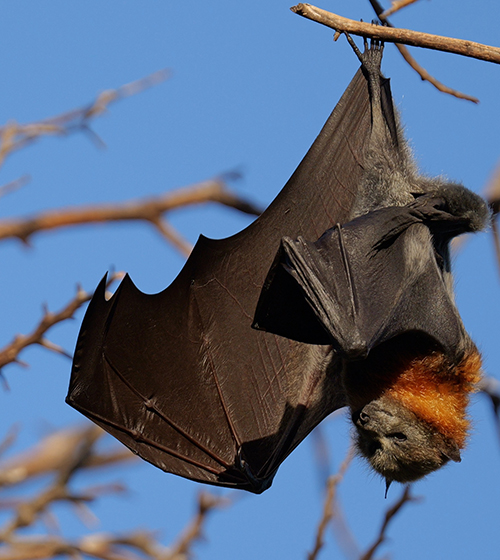
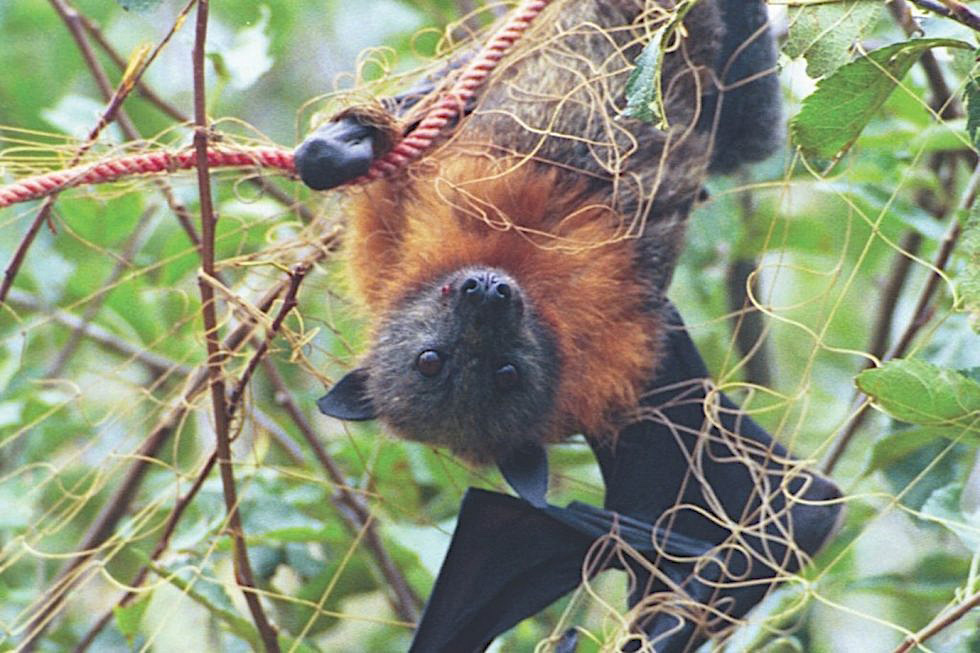
Advanced Flying-fox Pup Training
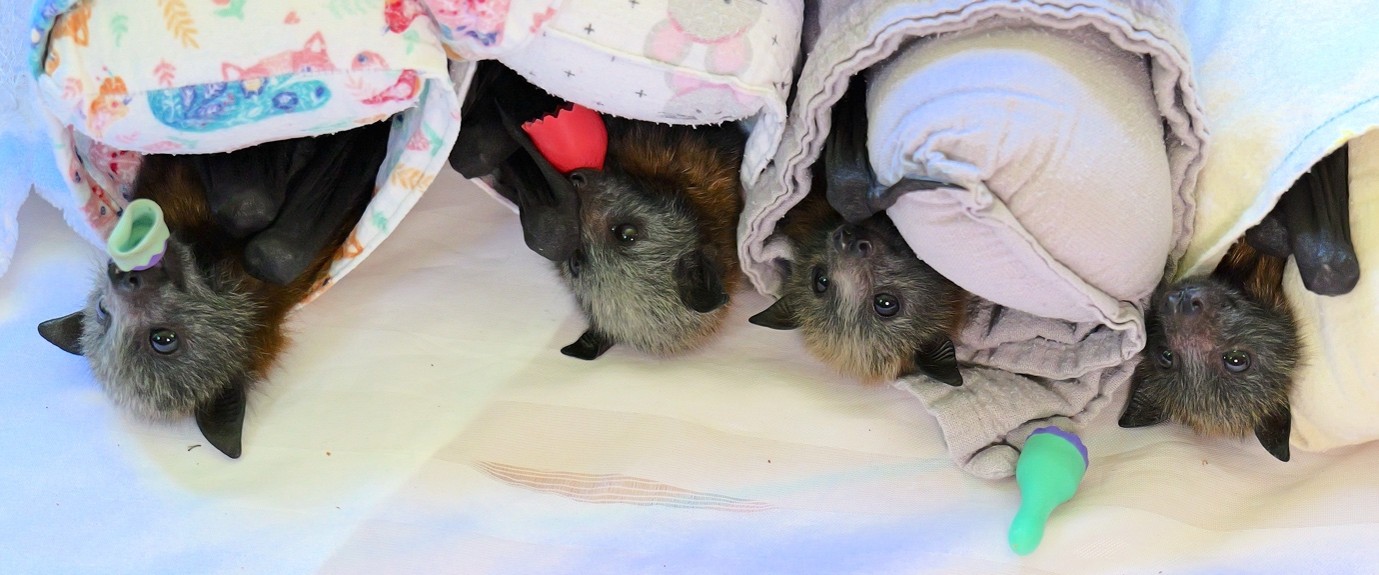
This half day course is aimed at vaccinated carers and will provide the necessary information you will need to care for flying-fox pups.
Please note: Only ACT Wildlife members who have a current rabies vaccination may rescue, transport or care for bats in the ACT.
Topics include:
- Feeding
- Housing
- Development
- Identification and treatment of common ailments
Microbat Training
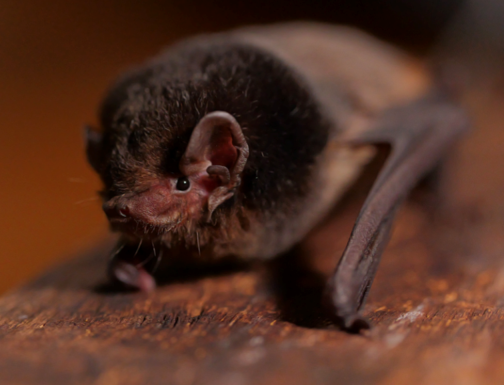
This half day course provides an introduction to microbats as well as providing more in-depth information on the rescue, care and rehabilitation of microbats found in the ACT.
Please note: Only ACT Wildlife members who have a current rabies vaccination may rescue, transport or care for bats in the ACT.
You must be 18 years or over to be a bat carer or have a vaccinated adult bat carer supervise you.
Topics include:
- Rescue
- Species identification
- Overview of common ACT species that come into care
- Feeding and housing in care
- Injuries and treatment
- Care of microbat pups
- Releasing microbats
- Health and safety